

 Urinary incontinence is a frustrating, embarrassing condition. Who wants to always be on the lookout for the nearest restroom, or have to deal with an unexpected leak during a cough, sneeze or lifting a weight.
If this condition is not well managed, you may experience discomfort in social situations, affecting your behavior and how you interact with others.
Can drinking more water help?
When you have urinary incontinence, your first instinctive reaction would be to reduce your water intake. You may also be hesitant to drink lots of fluids as a way of forestalling the leaks and minimizing your toilet visits.
But drinking more water is not bad.
While it sounds counterproductive, drinking more water helps with incontinence.
First, your body is full of fluid, and you always need to drink more water to replace the fluid you lose. Failure to drink enough water leads to dehydration.
Secondly, when you drink more water, you ensure a free filtration of fluids via your kidneys. Doing so means that wastes and other substances do not build up in your urinary tract and that your urine does not get more concentrated.
When urine becomes more concentrated, your bladder is irritated, and incontinence worsens.
You can tell when you’re dehydrated, and your urine is more concentrated when it looks darker, cloudy, and has a strong odor.
Concentrated urine results in irritation, which translates to pain or burning sensation while passing urine.
An irritated bladder increases urgency, which is bad news if you have urinary incontinence. So drinking more water is effective when done correctly.
With the right amount of water, you can prevent dehydration, keep your urine dilute, avert bladder irritation, and minimize incontinence.
You must strike a balance, as drinking too much water may also cause excessive leaks.
How do you drink more water to manage incontinence?
1. Drink enough fluid every day
For a grown man, enough fluid is roughly 13 cups (3 liters) of total beverages a day. For a woman, 9 cups (2.2 liters) of drinks a day is ideal. In terms of drinking water, the right quantity is 4-8 eight-ounce cups a day.
2. Drink when thirsty
Your body has a way of directing how much water you need, and you will notice this in how frequently you get thirsty. When this occurs, make sure to drink water immediately.
3. Drink it in sips
When you drink water, you must avoid guzzling one or two cups at a time, which can overwhelm your bladder. Instead, drink water by frequent sipping. It would be best to have smaller amounts of water and liquid throughout the day, sipping slowly over several sittings.
4. Drink most of your water early in the day
Drinking water a few hours before bedtime can be problematic, especially if you are struggling with nocturia. A good practice is to drink most of your water in the morning and afternoon and avoid drinking 2-4 hours before going to bed.
5. Be creative
While plain water is ideal for urinary incontinence, you can try flavored water to boost your fluid intake. Add fresh mint or a splash of lime or lemon to your water. Dilute your juice as much as possible. Eat lots of fruits and vegetables, as they have high water content. Just make sure to avoid adding sugar, particularly if you have diabetes.
6. Drink fluids with every snack and meal
Whether it is breakfast, lunch, dinner, or any little snack in between, ensure to complement it with a glass of water.
7. Carry a bottle of water with you
Whether at your desk, in your car, or in your bag, always have some water with you. The easiest way to drink enough water is to make it a habit to carry a water bottle wherever you go.
Get the right balance gradually
Drinking enough water without overwhelming your bladder is a practice you will learn with time. Once you know how to go about it, you will stay hydrated and reduce urine leakage.
Take it gradually and learn to balance your water consumption with your other health goals and lifestyle.
Seeking treatment for urinary incontinence
Are you having urinary incontinence? Visit your urologist today to determine the actual cause of the condition and get proper treatment.
The problem may be a result of the aging process, urinary tract infection, or a symptom of a disease, such as dementia or Alzheimer’s disease.
At St Pete Urology, we offer a wide array of solutions for urinary incontinence, including guided pelvic floor exercises (Kegel exercises), bladder retraining, Botox injection, medications, and surgery.
Come and see us today for tailored treatment of your leaky bladder.

 A vasectomy does not affect your ability to ejaculate. Neither does it have any adverse effect on the appearance of the ejaculate. You will still have normal ejaculations and enjoy orgasms after the procedure.

 There is no such thing as “normal” when it comes to sex. What you like isn’t necessarily what another person likes. How important it is to you and how often you want it is also a personal preference, but what is common for everyone is the desire to have a pleasurable sexual encounter.


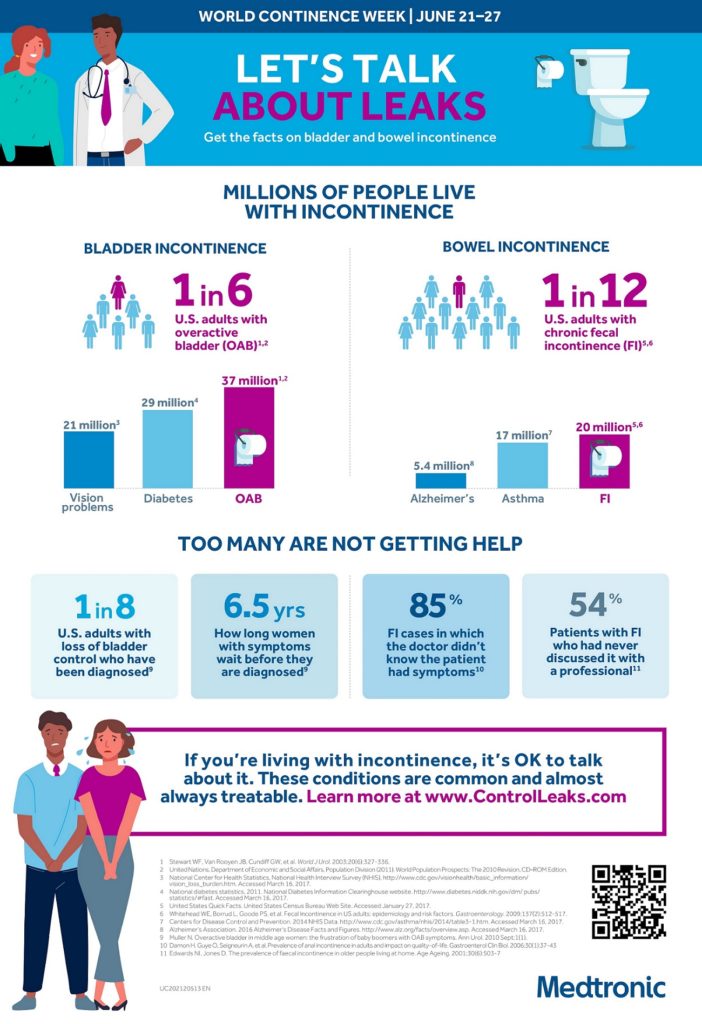

 The occasional inability to have an erection that is firm enough for sexual intercourse is normal. However, when the problem persists for a while, it points to a deeper issue that should be addressed immediately. Without treatment, ED can make sexual intercourse impossible.

 Urologists treat kidney stones based on their type, size and location. Smaller kidney stones can pass on their own without treatment. Your urologist may advise you to drink plenty of fluids to help the stone move along your urinary tract. You will be able to pass smaller stones naturally without any treatment other than pain-relieving medication.
 Kidneys play a significant role in the overall health of the body. They filter out waste products from blood and send them out of the body as waste through urine. The kidneys also balance fluid and electrolyte levels in the body while making hormones that regulate the function of other organs of your body. But to keep your kidneys healthy, you need to watch what you eat and drink because some foods boost the performance of the kidneys while others stress, degrade and damage them.
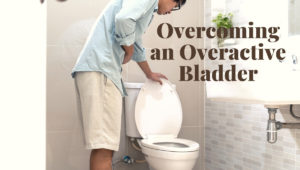 Overactive bladder (OAB) is an uncomfortable and stressful condition. Characterized by a sudden involuntary bladder contraction that triggers a compelling urge to pass urine, OAB may lead to urine leakage or the need to pass urine several times during the day or night. As a result, having an overactive bladder makes it difficult to go through the day without several visits to the bathroom.