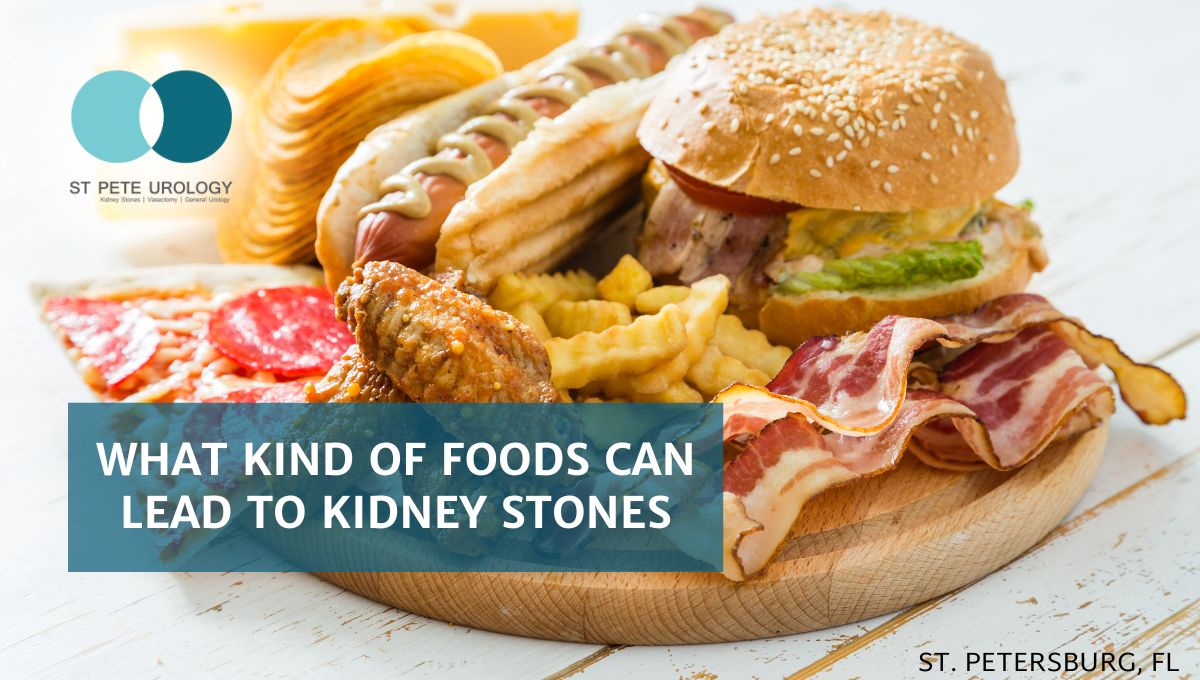
 Kidney stones affect approximately 1 in 10 Americans at some point in their lives, with over 500,000 emergency room visits annually attributed to these painful mineral deposits. While genetic factors and medical conditions play a role, your dietary choices significantly influence your risk of developing kidney stones. Understanding which foods can lead to kidney stones empowers you to make informed decisions that protect your urological health.
Understanding Kidney Stones and Diet
Kidney stones are hard deposits of minerals and salts that crystallize within your kidneys. According to the National Kidney Foundation, about 80% of kidney stones are calcium oxalate stones, which form when calcium binds with oxalate in the urine. The remaining 20% include uric acid stones, struvite stones, and cystine stones—each influenced by different dietary factors.
Your diet directly impacts the chemical composition of your urine. When you consume certain foods, they break down into components that either promote or inhibit stone formation. The Cleveland Clinic reports that dietary modifications can reduce kidney stone recurrence by up to 50% in susceptible individuals, making food choices a powerful preventive tool.
High-Oxalate Foods That Increase Stone Risk
Oxalate is a naturally occurring compound found in many plant-based foods. While vegetables are generally healthy, some contain extremely high oxalate levels that can contribute to kidney stone formation. A single cup of cooked spinach contains over 750 milligrams of oxalate—significantly more than the 40-50 milligrams most people should limit themselves to daily.
Common high-oxalate foods include spinach, rhubarb, beets, almonds, cashews, peanuts, sweet potatoes, and chocolate. Black tea is particularly problematic, with one strong cup containing approximately 50 milligrams of oxalate. The National Institute of Diabetes and Digestive and Kidney Diseases notes that while you don’t need to eliminate these foods entirely, limiting portion sizes and pairing them with calcium-rich foods helps reduce oxalate absorption in your digestive system.
Interestingly, adequate calcium intake actually protects against calcium oxalate stones. When you eat calcium-containing foods alongside high-oxalate foods, the calcium binds to oxalate in your intestines rather than your kidneys, preventing stone formation. This is why low-calcium diets paradoxically increase kidney stone risk.
Animal Protein and Sodium: A Dangerous Combination
Excessive animal protein consumption ranks among the most significant dietary risk factors for kidney stones. Red meat, poultry, fish, and eggs contain purines—compounds that metabolize into uric acid. When uric acid levels rise in your bloodstream and urine, they can crystallize into painful uric acid stones and also promote calcium stone formation.
Research published in the Journal of the American Society of Nephrology found that men who consumed the most animal protein had a 33% higher risk of developing kidney stones compared to those with the lowest intake. The recommended protein intake is approximately 1 gram per kilogram of body weight daily—a 200-pound person should consume about 90 grams of protein per day. Exceeding this amount, especially from animal sources, elevates your stone risk.
Sodium presents another major concern for kidney health. High salt intake forces your kidneys to excrete more calcium into your urine, creating ideal conditions for calcium-based stones. The American Heart Association recommends limiting sodium to no more than 2,300 milligrams daily (about one teaspoon of salt), yet the average American consumes over 3,400 milligrams.
Processed foods, canned soups, deli meats, frozen dinners, fast food, and restaurant meals typically contain excessive sodium. At St. Pete Urology, our board-certified urologists frequently counsel patients to read nutrition labels carefully and choose fresh, whole foods to naturally reduce sodium intake while supporting overall kidney function.
Sugary Beverages and Other Dietary Contributors
Sugar-sweetened beverages create multiple problems for kidney health. Fructose—the main sugar in sodas, fruit juices, and energy drinks—increases calcium and oxalate excretion while decreasing urine volume. This triple threat significantly elevates stone formation risk. A 2013 study in the Clinical Journal of the American Society of Nephrology found that consuming one sugar-sweetened soda daily increased kidney stone risk by 23%.
Dark colas present additional concerns due to phosphoric acid content, which further promotes calcium excretion. Sports drinks, while marketed as healthy, often contain high fructose corn syrup that triggers similar metabolic effects. Even fruit juices, though natural, concentrate fructose and should be consumed in moderation—no more than 4 ounces daily.
Alcohol deserves special mention as a diuretic that promotes dehydration. When you’re dehydrated, your urine becomes more concentrated, allowing minerals to crystallize more easily. Alcohol also increases purine production, raising uric acid levels. Dr. Nicholas Laryngakis, a board-certified urologist at St. Pete Urology, emphasizes that maintaining proper hydration by drinking 2.5 to 3 liters of water daily is one of the most effective kidney stone prevention strategies.
Smart Dietary Strategies for Prevention
Preventing kidney stones doesn’t require eliminating all high-risk foods—it demands strategic choices. Pair high-oxalate vegetables like spinach with calcium-rich dairy products. For example, add low-fat cheese to your spinach salad or drink milk with meals containing nuts. This simple strategy allows you to enjoy nutritious foods while minimizing stone risk.
Replace excessive animal protein with plant-based alternatives. Lentils, beans, tofu, and quinoa provide excellent protein without the purine content of meat. When you do eat animal protein, choose leaner options and keep portions moderate—about the size of a deck of cards per meal.
Citrus fruits offer particular protection against kidney stones. Lemons and oranges contain citrate, a chemical that prevents calcium from binding with other components and forming stones. The Mayo Clinic recommends adding fresh lemon juice to your water throughout the day to boost citrate levels naturally.
Understanding your bladder health is equally important, as proper hydration supports both kidney and bladder function. Monitor your urine color—pale yellow indicates adequate hydration, while dark yellow or amber suggests you need more fluids.
If you’ve experienced kidney stones before, knowing the specific type is essential for tailored dietary recommendations. A 24-hour urine collection test can identify which minerals are elevated in your urine, allowing healthcare providers to create a personalized prevention plan.
Taking Control of Your Kidney Health
Dietary choices powerfully influence kidney stone formation. By limiting high-oxalate foods, moderating animal protein and sodium, avoiding sugary beverages, and maintaining excellent hydration, you significantly reduce your risk of these painful deposits. Remember that individual risk factors vary—what works for one person may differ for another.
At St. Pete Urology, our team of board-certified specialists provides comprehensive kidney stone evaluation and management. Dr. Reid Graves, Dr. Adam Oppenheim, and Dr. Ankur Shah offer advanced diagnostic testing and personalized treatment plans to help you prevent stone recurrence and maintain optimal urological health.
Don’t wait until you experience the excruciating pain of a kidney stone. If you have a history of stones or concerns about your diet’s impact on kidney health, call St. Pete Urology at (727) 478-1172 to schedule an appointment. Our compassionate team serves the Tampa Bay area from our convenient St. Petersburg location, helping patients achieve lasting kidney health through evidence-based care.
References
- Cleveland Clinic. (2024). Kidney stones: Causes, symptoms, and treatment. https://my.clevelandclinic.org/health/diseases/15604-kidney-stones
- National Institute of Diabetes and Digestive and Kidney Diseases. (2024). Eating, diet, & nutrition for kidney stones. U.S. Department of Health and Human Services. https://www.niddk.nih.gov/health-information/urologic-diseases/kidney-stones/eating-diet-nutrition
- National Kidney Foundation. (2024). Kidney stone diet plan and prevention. https://www.kidney.org/atoz/content/kidneystones
- Taylor, E. N., Stampfer, M. J., & Curhan, G. C. (2013). Dietary factors and the risk of incident kidney stones in men: New insights after 14 years of follow-up. Journal of the American Society of Nephrology, 15(12), 3225-3232. https://doi.org/10.1097/01.ASN.0000146012.44570.20