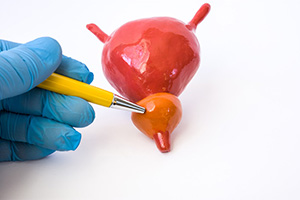
The Impact of Urinary Tract Infections

A UTI, or urinary tract infection, is a painful but common condition. Approximately 50 percent of all women will experience a UTI in their lifetime, while 10 percent of men will deal with one. For many people, UTIs can become a recurring issue.

Although a UTI normally is not cause for major concern, it is still important to discuss your symptoms with your doctor to receive proper treatment and make a quick recovery.

What is a UTI?

A UTI is an infection in any part of the urinary system, but most commonly it affects the bladder and the urethra. This type of UTI can cause painful urination, a frequent urge to go and cloudy or discolored urine, which can be a sign of blood in the urine. A UTI is usually caused by bacteria entering the body via the urethra. Women are more likely to get a UTI because their urethras are shorter than men’s.

What parts of the body are affected by a UTI?

Most UTIs affect the lower part of the urinary system, causing pain in the urethra and issues with the bladder. A UTI becomes more serious when it spreads to the kidneys, so it is important to seek medical treatment to keep this from occurring.

How can UTIs be prevented?

Because UTIs are normally caused by bacteria entering the urinary system via the urethra, it is important to be careful with this delicate area of the body. The most important thing you can do to prevent a UTI is to drink plenty of fluids and regularly relieve yourself. For women, it is also important to wipe carefully after using the bathroom, urinate after sex, and avoid potential irritants like scented feminine hygiene products.

How are UTIs treated?

Your doctor may choose to prescribe antibiotics to help clear up a UTI. It is important to follow your doctor’s directions regarding the medication and to complete the full course of treatment. Pain relief medications like ibuprofen or easing discomfort with a heating pad may also be part of your treatment plan. One commonly mentioned home remedy is drinking unsweetened cranberry juice; some studies have found it can help reduce the frequency of UTIs.

Whatever treatment options you pursue, it is important to consult with your doctor regarding your symptoms if you suspect you have a UTI. The specialists at St Pete Urology are here to help you deal with both the prevention and treatment of UTIs and any other urological conditions you experience. For more information, visit the St Pete Urology website.

What Does the Prostate Gland Do?

The prostate gland is an organ that is part of the male reproductive system. It surrounds the urethra and is located between the bladder and penis. It is relatively small weighing in at a mere three-fourths of an ounce, and can be likened to the size of a walnut or small apricot.

Despite its small size, it does important work for the reproductive system. The primary function of the prostate is to produce and secrete prostate fluid, which is one of the main components of semen. This fluid, which makes up one-third of semen’s volume, contains important enzymes that aid sperm.

The enzymes are referred to as Prostate Specific Antigens (PSA) and help to prevent semen from thickening after ejaculation. The more liquid semen allows sperm to move freely, increasing the chances of its success.

The muscles of the prostate help propel semen. During ejaculation sperm moves from the testicles to the prostate. The prostate then will contract, closing the bladder’s opening to the urethra so the prostate can release the semen through the urethra.

When in good health, the prostate is an important part of the male reproductive system. However, it is prone to a few conditions that are most likely to increase as men age. The most common is enlarging of the prostate. Prostate growth affects virtually all men over age 50. It can cause difficulty urinating and the need for frequent urination. There are medicines that can help treat an enlarged prostate if symptoms get bad enough to warrant treatment.

Another common health issue is prostate cancer. Other than skin cancer, prostate cancer is the most common form of cancer in men. Fortunately, only one in 41 men diagnosed with prostate cancer dies, meaning survival rates are better than in many other forms of cancers. Prostate cancer can be treated with surgery, chemotherapy, radiation and hormone therapy. In some cases, when the cancer is not aggressive or spreading, doctors may recommend leaving the cancer alone and just monitoring it with your urologist.

Given its importance in the human body, good prostate health is important. Having your prostate checked once a year by a urologist should be a part of men’s annual health maintenance as they get older. Having a good relationship with your urologist is important. Urologists like those at St Pete Urology are dedicated to their patients’ best interest and overall health. They are specialists who can help with planning, treatment and any issues that may arise with the prostate. For more information, visit the St Pete Urology website.

How does the kidney filter blood?

How does the kidney filter blood?Many people do not realize how vital their kidneys are to their overall health until an issue arises and they need to seek medical care. Knowing what your kidneys do and how they function can go a long way toward maintaining good health before a problem occurs or understanding the treatment process once you are under a urologist’s supervision.

What Do My Kidneys Do?

Your kidneys are basically your body’s filtration system. Every minute, approximately half a cup of blood flows through them. As the blood flows through, waste products are removed, as is excess water; the levels of minerals and salt are also adjusted if need be. Although around 150 quarts of blood are filtered by your kidneys every day as it continually cycles through your body, only about 1-2 quarts of urine are produced from the waste products and excess water. The urine then flows to the bladder through a tube called the ureter.

How Do My Kidneys Work?

Inside each kidney, there are about a million tiny filtration units called nephrons. The nephrons are made up of a filter called a glomerulus and a tube called a tubule. Blood flows through the glomerulus, where waste and excess water or minerals are filtered out. The tubule then sends the filtered substances to collect in the kidneys before flowing through the ureter to the bladder, while the newly-filtered blood is returned to the rest of the body. There are so many nephrons in your kidneys that even if more than half of them are no longer working, you may not notice any issues or symptoms.

What Happens If Something Goes Wrong?

Many things can occur to interrupt the function of your kidneys. Warning signs of kidney disease include an increased need to urinate, especially at night, blood in the urine, foamy urine, cramping muscles and swollen ankles and feet. These are all signs that something could be wrong with the filtration system in your kidneys, causing issues with fluid and electrolyte levels in your body.

Another common problem is kidney stones. When there is a buildup of certain waste products in the kidneys and not enough fluid to flush them out, these waste products can crystallize and form stones that cause extreme pain as they leave the body. If you suspect you are dealing with kidney stones, kidney disease, or other problems with your urinary system, it’s important to talk to a doctor right away, like the urologists at St Pete Urology, who will be able to diagnose any issues and help you and your kidneys return to normal healthy function as soon as possible.

For more information, visit the St Pete Urology website.

Infertility Treatment Options for Men & Women

Infertility Treatment Options for Men & WomenFor couples struggling to conceive a child, life might feel like a carousel, trying for the brass ring, month after month. It can put a lot of pressure on the relationship. But now there are fertility treatments that can put the chances of conception in your favor.

What are the different types of fertility treatments?

Today we have more technology for diagnosing and treating infertility than ever before. Fertility assessments should be done on both partners to determine which treatments can help, and whether it is a male or female infertility issue.

Female Options for Fertility Treatment

Fertility treatments can include medications to regulate hormones and ovulation, which are often combined with minor surgery approaches. Assisted Reproductive Technology, or ART for short, encompasses several procedures to help you conceive. Some ART procedures make it easier for the sperm to fertilize an egg, and others help with getting the egg to implant in the lining of your uterus.

Common ART fertility treatments are:

Intrauterine Insemination (IUI), in which healthy sperm is collected and then inserted directly into the uterus when you are ovulating.

In Vitro Fertilization (IVF), in which eggs are taken from the ovaries to be fertilized by sperm in the lab where they can develop into embryos. Then a doctor implants the embryos into your uterus after they grows for 3 to 5 days.

GIFT, short for Gamete IntraFallopian Transfer, and ZIFT, Zygote IntraFallopian Transfer. In GIFT, the egg and sperm are collected and immediately placed in a fallopian tube. With ZIFT, the egg(s) and sperm are combined in a lab, resulting in a fertilized egg, which then is placed into the tube at 24 hours.

Cryopreservation, which is known as “freezing” your eggs, sperm or embryos, along with donated eggs or embryos, as well as surrogate mothers who carry the embryo to term.

Both fertility drugs and hormones can be used to help determine when the woman is ovulating or ensure proper levels of hormones. Surgery can remove tissue, such as in cases of endometriosis, or be used to open blocked fallopian tubes.

Enlisting donor sperm, eggs or surrogate mothers, is popular with single people and same-sex couples who desire a baby. Donor sperm or eggs can be the solution if either partner has fertility issues.

Male Options for Fertility Treatment

There are various treatment options if the male needs help with sperm counts, quality or motility. Surgery by a qualified urologist is recommended if the cause is a varicocele (widened veins in the scrotum) or for any blockage in the vas deferens, the tubes that carry the sperm. Antibiotics can be used to treat infections in the reproductive organs, and medications can treat problems with ejaculation or erections. Another option is hormone treatment.

If you wish to conceive but are having problems, our team of specialists at St Pete Urology is experienced in working with couples to make assessments and help in achieving your dreams. For more information, visit the St Pete Urology website.

Can Male Infertility Be Treated?

Can Male Infertility be treated?For many couples, trying and not being able to conceive a child is a stressful, emotional and frustrating time. Up to 15% of couples are infertile, meaning that they cannot conceive a child despite actively trying for a year or more. And for that 15%, over a third of these problems stem from issues caused by male infertility.Male infertility is the inability to conceive a child. There are no obvious signs that a man is infertile, and he may not realize it until he and his partner are unsuccessful in their attempts. However, in some cases like hormonal imbalances, inherited disorders and testicular vein issues, symptoms may exist. These can include erectile dysfunction, difficulty ejaculating, ejaculating in small volumes, decreased sexual desire, or abnormal breast growth.

There are numerous causes that can lead to male infertility. A common and easily reversible symptom is Varicocele, the swelling of the veins that release fluid from the testicles. Infections also can be the cause of male infertility, as they can cause issues with sperm health and production. In some cases, treating the infection can treat the issue, but not in all instances. Another cause of infertility is retrograde ejaculation, an issue where semen enters the bladder during orgasm. Infertility can also be a symptom of certain tumors.

In addition to medical causes for infertility, there are also environmental and lifestyle factors that can be attributed. Extended exposure to industrial chemicals or heavy metals can contribute to low sperm counts. Radiation or x-ray exposure can cause temporary reductions in sperm count. As for lifestyle causes, drug, alcohol, tobacco use and emotional stress can be contributing factors to male infertility.

Although a specific cause of male infertility may not always be clear, there are plenty of treatments available, and a urologist may be able to assist you. Surgery can help to open pathways in constricted veins to allow more semen to flow freely. Antibiotic treatments will clear up any infections that may be causing infertility. Hormone treatments and medications are useful in some cases. And in other cases, assisted reproductive technologies, like the surgical extraction of sperm for fertilization, may be recommended by your urologist.

For many couples the inability to have a child can cause a lot of stress and anxiety. But there is hope. Urologists and fertility doctors have dedicated their lives to helping couples who want to have children. Doctors, like those at St Pete Urology, can help you learn more about your condition and help you start your family. For more information, visit the St Pete Urology website.

What is Interstitial Cystitis/Bladder Pain Syndrome (IC/BPS)?

Bladder pain syndrome (BPS), medically known as interstitial cystitis (IC), is not easy to diagnose. It is a chronic health issue that causes pain and pressure in the bladder region and usually lasts at least six weeks without an infection or other clear cause. The pain may be mild, moderate or severe.

Symptoms

Pain, pressure, or tenderness may occur around the bladder, urinary tract, pelvic area and/or genitals and worsen during sexual intercourse. The pain may be either intermittent or constant, and may intensify as the bladder becomes full.

People with IC/BPS may find themselves urinating more frequently than normal. As the condition worsens, the urgency for urinating will increase. Sometimes even after urinating, there is still a feeling of not having finished. As a result, social life, sleep and concentration at work can all be impacted depending on the severity of IC/BPS.

Causes

Although there are theories about what may cause IC/BPS, the causes are not clearly understood or proven, and therefore treatments vary. It could be that IC/BPS symptoms are due to a combination of conditions. There may be a bladder tissue problem. Mast cells may cause inflammation. A chemical in the urine may damage the bladder. Some nerve cells may change. It is even possible there is an immune system response involved. In this sense, IC/BPS is like the term cancer; it has some definite symptoms, but the possible causes are many. Thankfully, while uncomfortable, unless IC/BPS in a patient is caused by cancer, it is rarely a serious medical problem.

Diagnosis

To treat IC/BPS, your urologist will want to know your medical history, symptoms, diet, prescriptions and over-the-counter supplements. Because it is difficult to pinpoint a particular cause, diagnosis is more a matter of ruling problems out. Typically, there are two aspects to this approach to medicine. The tests that are inexpensive, non-invasive and easy are usually done first.

Typical physical and neurological exams will check pain levels and the ability to urinate completely (a voiding test). Commonly used invasive tests include urodynamic evaluations and cystoscopy. A urodynamic evaluation is when the bladder is filled with a small catheter to check the bladder and patient responses. Cystoscopy requires the insertion of a special tube with a camera to visibly examine the urethra and bladder. If the urologist notices an ulcer, or a stone, or something that can be worked on, the doctor can do the procedure through the tube.

Treatments

IC/BPS can often be minimized or eliminated through some simple lifestyle changes. Diet can be an issue for some types of the condition and minimizing acidic foods might help. Some types of physical therapy, including manipulative physical therapy, may work and reducing stress can bring about an improvement.

A number of prescription drugs have been found useful. But one of them, pentosan polysulfate, may take up to six months of treatment before symptoms are relieved. A bladder ulcer can be cauterized or given steroid injections. Botox© may be effective, but these treatments usually wear off and may need to be repeated.

In most cases, it is best to assume IC/BPS is in remission, not cured. The best plan is to keep the changes that work and continue to avoid activities that may have aggravated the condition in the past. If you have pain in the pelvic or bladder area, visit St Pete Urology for a diagnosis and treatment plan that could put you on a path to resuming your normal, pain-free lifestyle.

What Causes Bladder Incontinence

Urinary incontinence is basically the loss of bladder control or leaking urine. Women experience urinary incontinence twice as frequently as men. One reason for this difference is that childbirth and pregnancy, as well as menopause, can contribute to making urinary incontinence more likely. There are two common types that affect women, stress incontinence or urge incontinence (or overactive bladder, also known as OAB).

Urine is made by the kidneys and is stored in the bladder. There are muscles in the bladder that tighten, causing a need to urinate. When these muscles tighten, urine is forced out of the bladder through the urethra. Urination happens when the sphincter muscles surrounding the urethra relax, letting urine out of your body. Urinary incontinence can make you leak small amounts of urine, or release larger amounts of urine suddenly.

For women, urinary incontinence may happen regardless of age, but it’s most likely to occur in older women. Almost half of women 65 and older have some type of urinary incontinence.

Signals that you have an incontinence issue that merits seeing a urologist include spasms or pressure in the pelvic area, causing an urgent need to urinate. Also frequent trips to the bathroom, for example, more than eight times per day or more than two per night while you sleep.

Your doctor will give you a plan of treatment, starting with steps that you can do at home. If these activities don’t improve symptoms, your doctor might recommend seeing a urologist or recommend other treatments, depending on whether you have urge incontinence or stress incontinence, or both.

What You Can Try at Home

Your doctor, nurse or urologist may suggest exercises that you can do at home. These preventative activities may stop urinary incontinence, or help you leak less.

Here are some of the activities that may be prescribed:

  • Kegel exercises. Kegel exercises targeted to strengthen the pelvic floor can help. However, some women’s pelvic floor muscles remain tightened all the time. In those cases, Kegel exercises not only will not help your urinary symptoms but they may cause more problems.
  • Bladder training. Going to the bathroom at regular times can help control an overactive bladder and help urge incontinence. You will be asked to keep a bladder diary to track how often you make a trip to the bathroom. You then will add 15 minutes to the intervals between bathroom visits. You should urinate each time, regardless of whether or not you feel an urge to go. You will be incrementally increasing the time between visits. Eventually your can train your bladder to retain more urine before it needs to be emptied.
  • Losing weight. Having extra pounds adds pressure to the bladder and surrounding muscles, which can cause bladder control problems.
  • Changing eating habits. Drinks with carbonation, alcohol or caffeine may aggravate incontinence.
  • Treating Constipation. Try eating more fiber because constipation can worsen urinary incontinence.

Urinary incontinence does not need to be a normal part of aging. It is sometimes a signal of another health problem, such as weak pelvic floor muscles. There are different types of treatment available to help ease the problem. Our team of specialists at Advanced Urology Institute have years of experience working with patients with urinary incontinence and can develop the best plan for the individual’s needs. For more information, visit the Advanced Urology Institute website.

What Causes a Urinary Tract Infection?

Urinary tract infections, or UTIs, can be diagnosed based on either symptoms or a urine sample test. The good news is that most urinary tract infections can be cleared up in 2 or 3 days of treatment. When the bacteria of the genitourinary tract are out of balance, there is more opportunity for micro organisms like E. coli to thrive. Here are some causes of UTIs:

  • Difficulty with being able to empty the bladder completely
  • Bowel incontinence
  • Kidney stones
  • Diabetes
  • Poor personal hygiene
  • Some types of birth control, including spermicides
  • Use of tampons
  • Frequent and/or intense sexual intercourse, especially with new partners
  • Pregnancy or menopause
  • Having a catheter
  • Long-term immobility
  • Suppressed immune system
  • Prolonged use of antibiotics

If you believe you have a urinary tract infection, you should see a doctor as soon as possible for treatment. While most UTIs aren’t serious, they can be very painful and they can also develop into more serious problems such as kidney infections.

Symptoms that might indicate a UTI include:

  • frequent or strong urges to urinate
  • cloudy, smelly or bloody urine
  • burning pain when urinating
  • nausea and vomiting
  • muscle aches in the lower back and abdominal pains

Prevention is preferable to treatment, and these practices can reduce your risk of developing a UTI:

  • Drink plentiful amounts of water and urinate frequently.
  • Avoid alcohol and caffeine, as they can irritate your bladder.
  • Urinate before and shortly after sex.
  • After using the toilet, remember to always wipe front to back.
  • Shower instead of taking baths.
  • Consume cranberries. While cranberry extracts don’t actually treat UTIs, they are effective in reducing your risk of recurrent UTIs. Try cranberry extract tablets, which can be twice as effective as drinking cranberry juice.
  • Regularly taking probiotics, especially after completing a course of antibiotics, may lower your risk of UTIs.
  • Be vigilant about keeping the genital area clean.
  • Choose cotton underwear and loose-fitting clothing.

Diagnosis and Treatment

Consult with your doctor if you develop symptoms of a urinary tract infection. Diagnosis includes assessing symptoms and following up with testing a sample of urine to analyze counts of bacteria, white blood cells and red blood cells. Since UTIs happen due to an imbalance of bacteria, the most common treatment is antibiotics or antimicrobials.

Prescription or over-the-counter pain relief meds can alleviate pain. You also can try putting a heating pad on the abdomen or back.

If you think you have a UTI, you may wish to contact St Pete Urology for a consultation. For more information, visit the St Pete Urology website or make an appointment with one of our board-certified physicians.

BPH: What Is It and What Causes It?

BPH: What is it and What Causes it?BPH is the abbreviation for benign prostatic hyperplasia, also called prostate gland enlargement, a condition commonly found in men as they age. Enlarged prostate glands can cause serious urinary issues such as blocked urine flow, urinary tract issues and kidney problems. The treatments for BPH include medications and minimally invasive surgery.The most common symptom is an urgent and frequent need to urinate. These may be accompanied by a difficulty beginning urination, a weak and interrupting stream, extended dribbles at the end of urination, or an inability to completely empty the bladder during urination. Urinary tract infections and bloody urine are other less common symptoms.

It is important to note that the size of the prostate does not necessarily correlate to the enlargement of the prostate. For instance, some men may have prostates that are only slightly enlarged and still suffer from symptoms worse than men with far greater enlarged prostates.

The prostate gland is found just below the bladder, and the tube that allows urine to exit the body runs directly through it. This is why urine flow is affected when the prostate enlarges. The primary cause of BPH is not fully known, but it may be related to changing sex hormone levels in men as they age.

The main risk factor for BPH is aging. Although BPH rarely affects men under 40, one-third of men between the ages of 40 and 60 experience it. And half of men experience it by age 80. Family history also plays a role in your chances of developing these problems. Men with a blood relative with BPH are more likely to develop it themselves. Diabetes, heart disease and obesity all increase the risk factors as well, while exercise helps lower them.

There are several complications that can result from BPH. The most common one is the inability to urinate, which may require a catheter if severe enough. Urinary tract infections can occur as well. Bladder stones and bladder damage may occur when the bladder cannot be fully emptied, which is more likely to happen to someone with BPH. Kidney damage is another complication that occurs when pressure that has built up in the bladder directly damages the kidneys.

Although common, BPH is a serious condition that can negatively affect quality of life and well being. But with many treatment options available, men can find relief by promptly seeking medical help. The doctors at St Pete Urology specialize in treating these issues and improving the lives of men as they age. For more information, visit the St Pete Urology website or make an appointment for a consultation.

What is Peyronie’s Disease?

Peyronie’s disease can cause several problems with your penis. One symptom may be that you notice your penis is not as straight as it used to be. If you think the reason is Peyronie’s disease, here are some answers to questions about the condition.

What is Peyronie’s Disease?

Peyronie’s disease is a problem that is caused by scar tissue (fibrous plaque) inside the penis. Besides resulting in a curvature of the penis, it sometimes causes pain or erectile dysfunction. Most cases occur in middle-aged men but both older and younger men can develop this problem. The likelihood of developing Peyronie’s disease does increase with age, especially in men over 55.

What Causes Peyronie’s Disease?

Doctors don’t always know the cause of Peyronie’s disease. It is believed that the plaque starts forming after some type of trauma (hitting or bending) that causes bleeding inside the penis. Peyronie’s disease is often caused by a minor injury to the penis or “penile trauma.” The trauma can be a result of vigorous sex that bends the penis during penetration. Sports mishaps or other accidents can also result in trauma that leads to Peyronie’s disease. When Peyronie’s disease develops gradually, it might be due to genetic causes.

Symptoms of Peyronie’s Disease?

One of the baffling things about Peyronie’s disease is that symptoms can appear slowly over time or may happen suddenly. When the penis is soft, the condition is not visible. It’s when the penis is erect that the bending and associated pain can happen. This is because the area with hardened plaque becomes scar tissue lacking the ability to stretch, so your penis appears bent and may be painful.

At times, men who have Peyronie’s disease also have scar tissue elsewhere, such as in their hands or feet, which may help signal that the penile problem is Peyronie’s disease.

How Do I Get a Diagnosis for Peyronie’s Disease?

If you think you may have Peyronie’s disease, make an appointment with a qualified urologist. The doctor will manually examine you, looking for hardened tissue, or you may get an injection to cause your penis to get hard to help with diagnosis. Your urologist may order an ultrasound or X-ray of your penis. For cases that occurred rapidly, your urologist may take a biopsy for the lab.

How is Peyronie’s Disease Treated?

In most cases, the pain eases over time and you may not need treatment. But if the bend in your penis gets worse, seek an appointment. Mild cases don’t require treatment. If it doesn’t cause issues with your sex life, you may not need treatment. Your doctor may prescribe an oral medication as the first recourse. Sometimes your doctor can give an injection of collagenase, which reduces curvature and pain.

If pills or injections don’t work and your sex life is greatly impaired, there are surgical recourses that might be recommended. Learn more about Peyronie’s disease and surgical treatment at St Pete Urology’s website. You needn’t suffer alone with Peyronie’s disease.